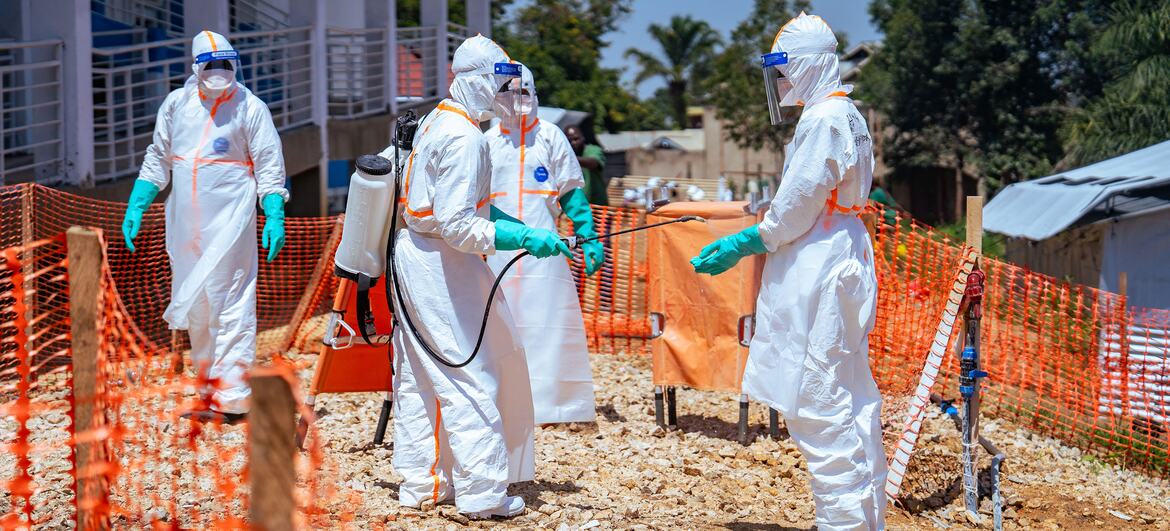
The outbreak has spread to another area in eastern DR Congo, while health officials in Kenya continue to monitor people who may have been exposed to the virus.
The Ebola outbreak has reached another health zone in eastern Democratic Republic of the Congo (DR Congo), while neighboring Kenya deals with the death of a man who tested positive for the virus in Nairobi.
According to a World Health Organization (WHO) report released on October 8, four cases, including two deaths, had been recorded in Alimbongo, North Kivu province, as of October 6. No cases had previously been reported in the area during the current outbreak.
The outbreak is caused by the Bundibugyo virus, a type of Ebola virus. As of October 6, DR Congo had recorded 8,728 confirmed cases and 4,205 deaths across 64 health zones in seven provinces. The WHO also reported that 2,269 people had recovered.
Kenya's response
Kenya confirmed its first imported case of the disease on October 6. The patient was a Kenyan citizen who had been living in DR Congo and travelled through Uganda before arriving in Nairobi.
He was taken to hospital, where tests confirmed that he had the virus. He died on October 5 despite receiving supportive treatment.
Authorities began tracing people who may have come into contact with him. They include family members, healthcare workers and passengers who travelled on the same flight. Officials are trying to find out whether anyone else was infected.
However, Kenya reported no new cases after 293 samples were tested, according to a report by Reuters on October 11. Authorities continued to monitor people who may have been exposed.
Treatment centres face shortages
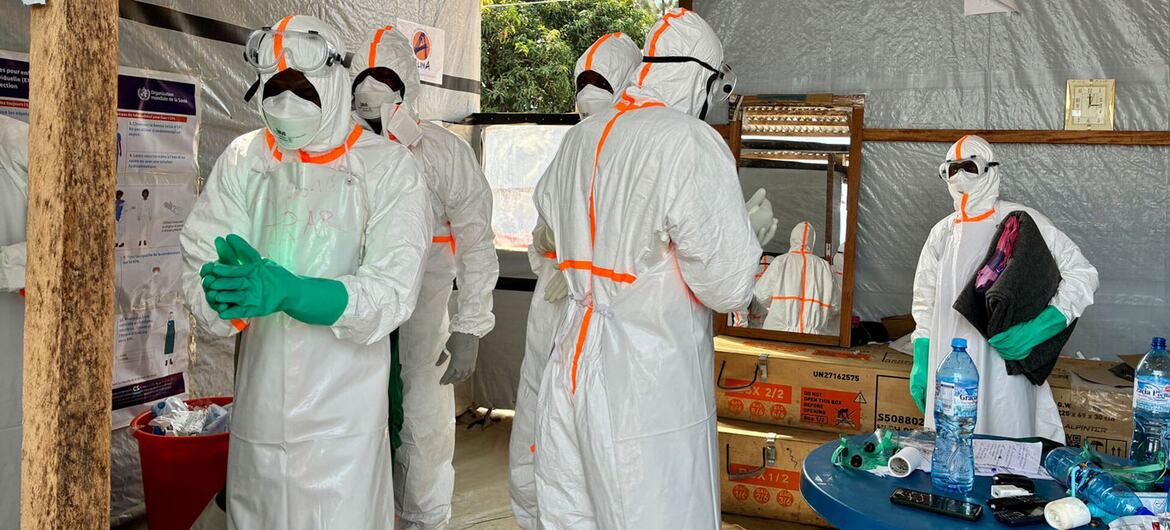
In DR Congo, healthcare workers are struggling to find enough beds for patients as new infections continue to emerge.
Doctors Without Borders (MSF) reported that a shortage of beds at specialized treatment centers had left some Ebola patients receiving care at facilities that were not equipped to handle the disease safely. According to the organization, about one-third of confirmed patients were being treated outside specialist facilities as of September 28.
This can put healthcare workers and other patients at risk, particularly when facilities lack the equipment needed to prevent infections.
Insecurity and mistrust among some community members have also made it harder to control the outbreak. Health workers need residents to report suspected cases and help identify people who may have been exposed.
Contact tracing
According to the WHO, health teams in DR Congo were monitoring 23,741 of the 29,535 people identified as contacts as of October 4. This represented 80.4% of the total, below the target of 85%.
People who may have been exposed to the virus are monitored for symptoms and tested when necessary. The WHO says there is no approved vaccine or specific treatment for Bundibugyo virus disease, making early diagnosis and supportive care important.
Cases continue to be reported in eastern DR Congo, while health officials in both countries work to prevent further infections.
 WhatsApp
 X
X
 Facebook
 LinkedIn