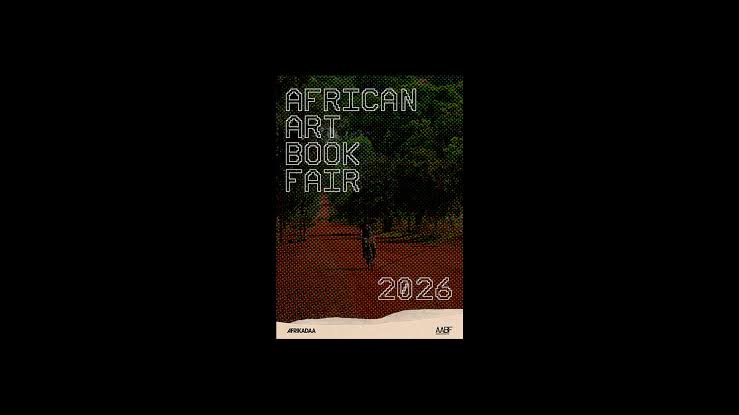
The African Art Book Fair is returning to Dakar in November, bringing independent publishers, artists, writers and readers together for four days of exhibitions, workshops and conversations about art publishing.
The sixth edition will run from 19 to 22 November at the Centre de Ressource Ousmane Sembène, alongside the 16th Dakar Contemporary African Art Biennale.
Organised by Afrikadaa magazine, the fair has developed a slightly different idea of what an art book fair can be. It calls itself an independent international publishing “anti-fair”, with a programme that moves between books, photography, design, cinema, experimental music and activism.
That makes the book more than something sitting on a table for visitors to browse. The fair is interested in the decisions behind it too: who edits these publications, how they are designed, how they are produced and what kinds of artistic work they allow to enter the record.
This year's edition will put particular attention on eco-friendly publishing. Independent publishers will be able to present their work to artists, art professionals and the wider public, while the programme considers some of the environmental questions involved in producing and circulating books.
There is another subject running through the fair, and it is one that feels particularly relevant to the African art world: criticism.
AABF has long argued that there is not enough serious critical writing about African art. There is certainly no shortage of exhibitions, artists or international interest. What is less certain is whether enough of the thinking around that work is being written down, published and kept.
That matters because exhibitions disappear. Conversations move on. Even artists who are well known in their own time can become surprisingly difficult to understand later when the criticism and documentation around their work are thin.
For AABF, publishing is part of that problem and part of the answer. The fair's programme places independent publishers at the centre of a conversation about how African artistic knowledge is produced and circulated, while also asking what publishing itself can contribute as a creative practice.
The organisers describe AABF as a “travelling, polymorphous platform” committed to defending quality criticism and publishing produced from the continent and its diaspora.
The choice of Dakar is significant in its own right. The fair returns as part of the Dakar Biennale, one of the major events on the contemporary African art calendar, giving the publishing community a place within a much larger gathering of artists, curators, writers and institutions.
For four days, the Centre de Ressource Ousmane Sembène will consequently become a meeting point for a part of the art world that often works somewhat behind the scenes. The people producing the books, the people writing about the art and the people making the art will have a common space to argue about what gets published and how.
 WhatsApp
 X
X
 Facebook
 LinkedIn