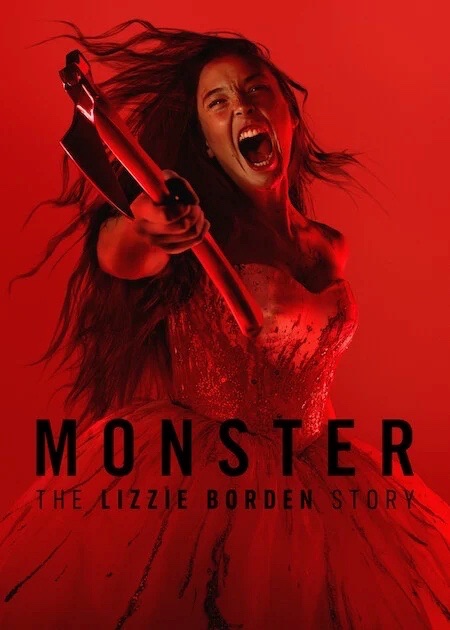
Monster: The Lizzie Borden Story is one of those cases that television does not need to try very hard to make interesting. In 1892, Lizzie Borden was accused of killing her father and her stepmother with an axe in her Fall River, Massachusetts home. Lizzie was acquitted, but more than a hundred years later, discussions of her guilt persist. Fortunately, Ryan Murphy and Brennan do not lack material to work with. Instead of concentrating on the existing interesting material, The Lizzie Borden Story continues a pattern set by the earlier three Monster seasons and tries to make the Borden case bigger, scarier, and more bloody than necessary.
The show starts with Lizzie's murders before taking the viewer a few months back and examining Lizzie's life in the Borden house. Ella Beatty plays Lizzie, Charlie Hunnam plays her father, and Rebecca Hall plays her stepmother. Vicky Krieps plays Bridget Sullivan, the family's maid, who becomes more and more involved in Lizzie's story.
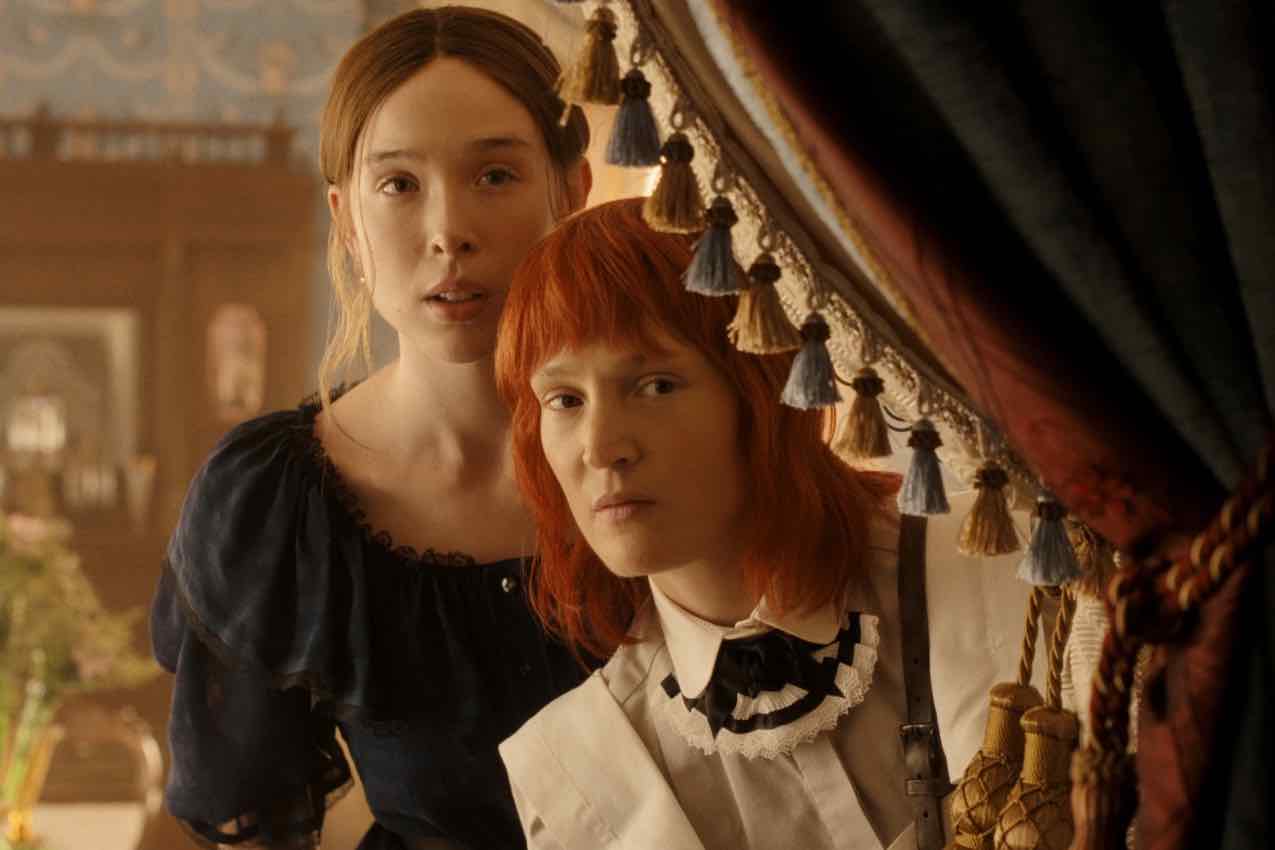
There is the potential for an interesting drama here. The main character is living in a time of female oppression and is developing a hostile relationship with her father and stepmother. This atmosphere could be used to explore the issues of Lizzie's life, but the series tries to create another kind of mystery instead.
The biggest problem is its tendency to focus on creating its own invented drama instead of trying to find the truth of the historical case. The romantic and criminal relationship between Lizzie and Bridget is completely fictionalised, since there is no historical evidence of that relationship. The show also creates or greatly distorts some other aspects of the case.
It is not necessarily a problem if the invented drama is better than the historical one, but in many cases that is not true for The Lizzie Borden Story.
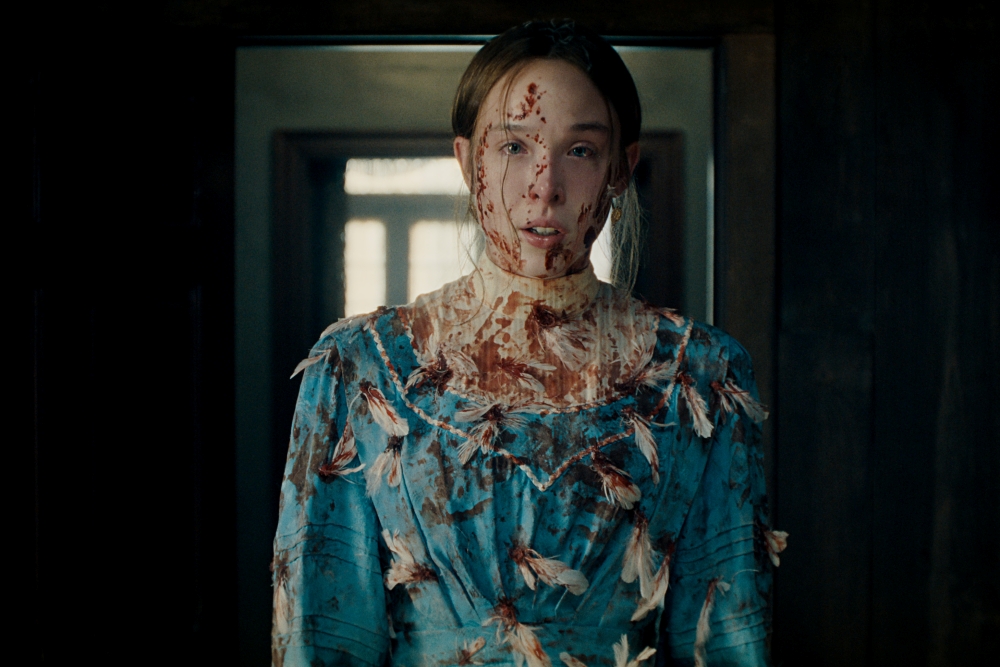
The development of the relationship between Lizzie and Bridget should be one of the main points of the series, but it seems to go into too much sensationalism. What begins as an unusual relationship between Lizzie and her maid becomes something completely artificial.
And that is where The Lizzie Borden Story becomes different from the previous Monster seasons.
Dahmer was also full of invented drama, but it had a clearer goal. The series went beyond Jeffrey Dahmer and paid considerable attention to the people around him, especially his neighbours and their families, the people affected by his murders. It was interested in the reasons for the failures that allowed Dahmer to kill again.
Monsters: The Lyle and Erik Menendez Story used a different approach to telling the story. The show was based on competing narratives of the same family history and the brothers' claims of abuse. In that way, the murder case becomes a story about family, memory, the court, and the media's interpretation of events.
After that came The Ed Gein Story, which went even further into horror. Gein's crimes had already been used to create fictional killers such as Norman Bates and Leatherface. The show used this case as an example of how a criminal becomes part of the mythology of horror.
The Borden season is hungry for expanding reality to make it bigger than life, but it does not know when to stop.
There are episodes where the show is really striking. The production design gives the show the dark and grim atmosphere of the period. The murders are presented with the typical horror imagery created by Ryan Murphy. Ella Beatty gives Lizzie a nervous intensity, while Rebecca Hall gives a lot of weight to her character, Abby. Vicky Krieps is also good as Bridget, especially when she understands how dangerous the Borden household is.
But the problem with the show is its confusion between excess and depth. Menstruation, sexuality, violence, Victorian repression, Elizabeth Báthory, and Aileen Wuornos all become parts of the same story. The appearance of Sarah Paulson as Wuornos is one of the best examples of how far the show can go to make its point about women and violence.
There is nothing wrong with making that argument. The problem is that the argument never becomes more interesting than the case itself.
Lizzie did not need to be related to every possible case of a violent woman. There were enough mysteries in her own case. Why was she suspected? What was going on in the Borden family? Why did the prosecutors fail to prove her guilt? Why did the public keep wondering about her after her acquittal? And why has the question of her guilt survived for more than 130 years?
These questions were much more interesting than another murder or another provocative scene.
This also makes the season somewhat misleading. Monster has always been playing with the idea of the monster, but the previous seasons were concentrated on people whose guilt had been established. Lizzie Borden was acquitted, and the murders remained a historical mystery. This makes the season an opportunity to explore uncertainty in a way that was impossible with the previous seasons.
This is the biggest disappointment of the show. The case is interesting because it cannot be finally solved. The Lizzie Borden Story seems to be uncomfortable with this uncertainty.
There is still enough in this season for viewers who like the special kind of TV show made by Ryan Murphy: elaborate sets, good actors, bloody murders, and a story that is never afraid of becoming ridiculous. But compared with Dahmer and the more horror-orientated Ed Gein story, this season becomes more and more a repetition of the previous seasons, only with a different historical figure.
The first season asked what happens when a killer is allowed to operate for years. The second season examined a family murder in the context of conflicting narratives and public attention. The third season was devoted to the exploration of how a real criminal was transformed into a myth of horror.
The fourth season had a great question of its own: what happens when one of America's most famous murder suspects was never actually convicted?
Unfortunately, it seems to have decided that the answer needs more blood, more sex, and more mythology.
Lizzie Borden's case was already strange enough. The show just does not seem to believe it.
Monster: The Lizzie Borden Story is on Netflix
 WhatsApp
 X
X
 Facebook
 LinkedIn